
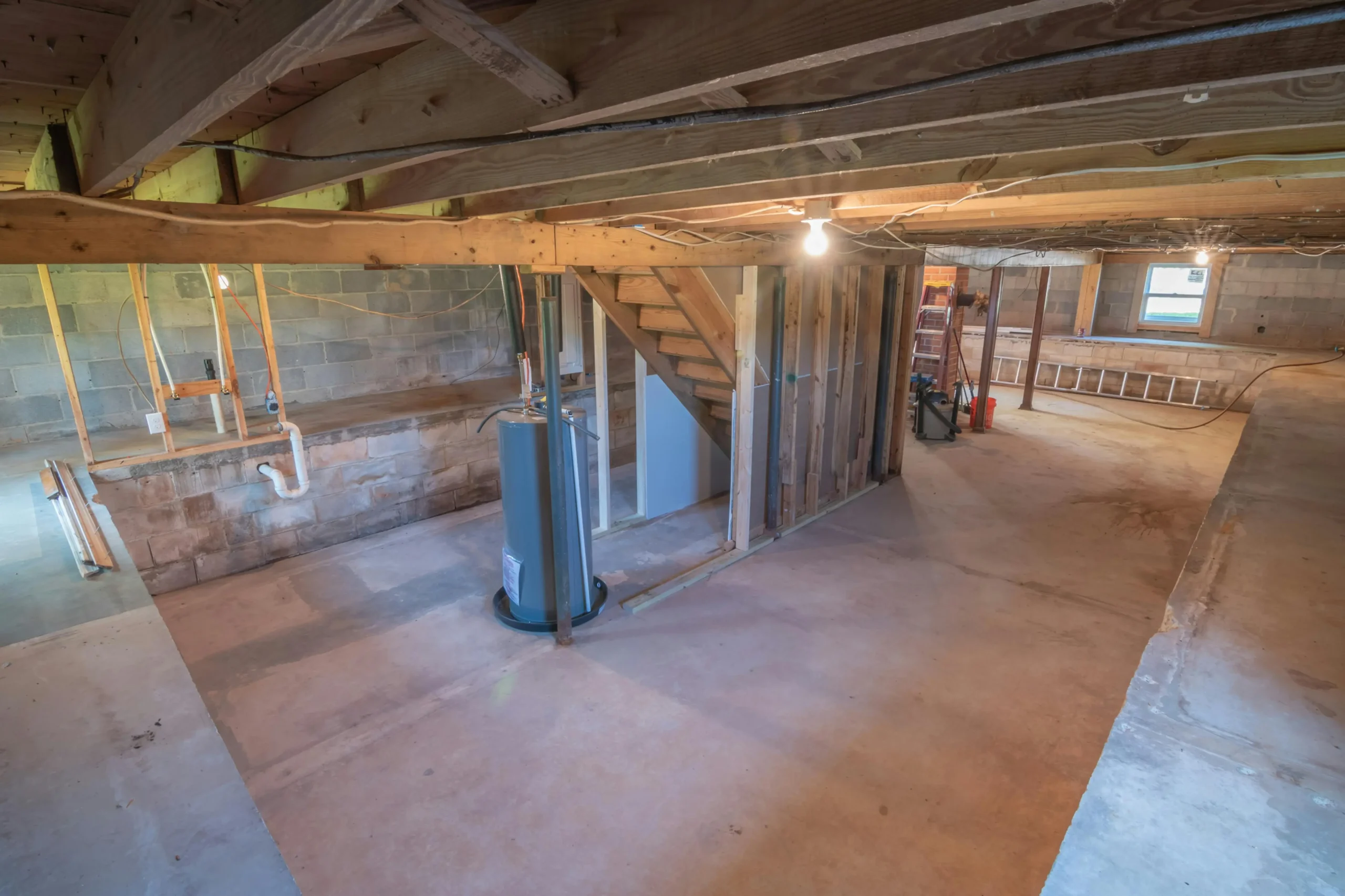
Basement water problems are extremely common in Louisville, Kentucky. Between heavy seasonal rainfall, fluctuating groundwater levels, and expansive clay soil, many homes are exposed to constant moisture pressure around their foundations. What often starts as a small damp spot or musty smell can quickly turn into mold growth, damaged finishes, and even structural concerns if not addressed correctly.
Basement waterproofing is not about hiding water—it’s about managing it. KCS Foundation & Waterproofing Specialists helps Louisville homeowners identify where water is coming from and installs permanent systems designed specifically for local soil and drainage conditions.
Why Basements Leak in Louisville KY
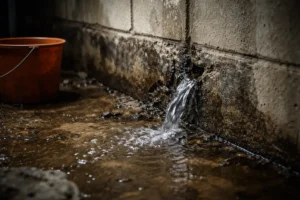
Most basement leaks occur when water pressure builds up outside the foundation and finds a way inside. Louisville homes experience this more often due to regional soil and rainfall patterns.
Common causes include:
- Hydrostatic pressure from saturated clay soil
- Cracks in foundation walls or basement floors
- Cove joint seepage where the wall meets the floor
- Poor exterior grading that directs water toward the home
- Clogged gutters or short downspouts
- Aging or failed footer drain systems common in older homes
When pressure increases, water will exploit even the smallest weakness in concrete.
How Louisville Clay Soil Makes Basement Leaks Worse
Clay soil expands when wet and contracts when dry. This constant movement places stress on foundation walls and floors, increasing the likelihood of cracking and separation at joints. During heavy rain events, clay also retains water, prolonging pressure against the foundation long after storms pass.
This is why many Louisville homeowners notice leaks days after rainfall—not during the storm itself.
Signs You Need Basement Waterproofing
Basement leaks are not always obvious. Many homes show early warning signs long before standing water appears.
Watch for:
- Persistent musty or damp odors
- White chalky residue on walls (efflorescence)
- Mold or mildew growth on walls or stored items
- Peeling paint or bubbling wall finishes
- Water staining on concrete or flooring
- Rusting metal fixtures or HVAC components
Ignoring these signs can allow moisture damage to spread unseen.
Basement Waterproofing Solutions That Work
There is no one-size-fits-all waterproofing solution. The right system depends on how water enters and how much pressure is present.
Proven waterproofing systems include:
- Interior perimeter drainage systems that capture water at the foundation wall
- Sump pump installation to safely discharge water away from the home
- Foundation crack sealing for isolated leak points
- Vapor barriers and moisture control systems to manage humidity
These systems work together to control water, not just cover symptoms.
Waterproofing vs Foundation Repair
Waterproofing controls moisture. Foundation repair stabilizes structural movement. Many Louisville homes experience both water intrusion and soil-related movement.
If walls are bowing, cracks are widening, or floors are sloping, structural repair may be required in addition to waterproofing. A professional inspection determines the correct approach.
Frequently Asked Questions
Why do basements leak after heavy rain in Louisville KY?
Heavy rain saturates clay soil around foundations, increasing hydrostatic pressure that forces water through cracks, joints, and porous concrete.
What is the best basement waterproofing system for Louisville homes?
Many Louisville homes benefit from an interior perimeter drainage system paired with a properly sized sump pump.
Can basement waterproofing prevent mold growth?
Yes. By controlling water and humidity, waterproofing removes the conditions mold needs to grow.
Do I need waterproofing or foundation repair?
Waterproofing manages water intrusion; foundation repair stabilizes movement. Some homes require both.