
Sump pumps are one of the most effective tools for protecting basements from flooding and water damage. In Louisville, where heavy rain and high groundwater levels are common, sump pumps play a critical role in basement waterproofing systems.
Understanding how sump pumps work and when they’re needed helps homeowners make informed decisions.
Why Louisville Homes Need Sump Pumps
Many Louisville neighborhoods sit on soil that retains water for long periods. During heavy rain, groundwater rises and places pressure beneath basement floors.
Without a sump pump, this water has nowhere to go and can seep through cracks or joints, leading to flooding and moisture damage.
How Sump Pump Systems Work
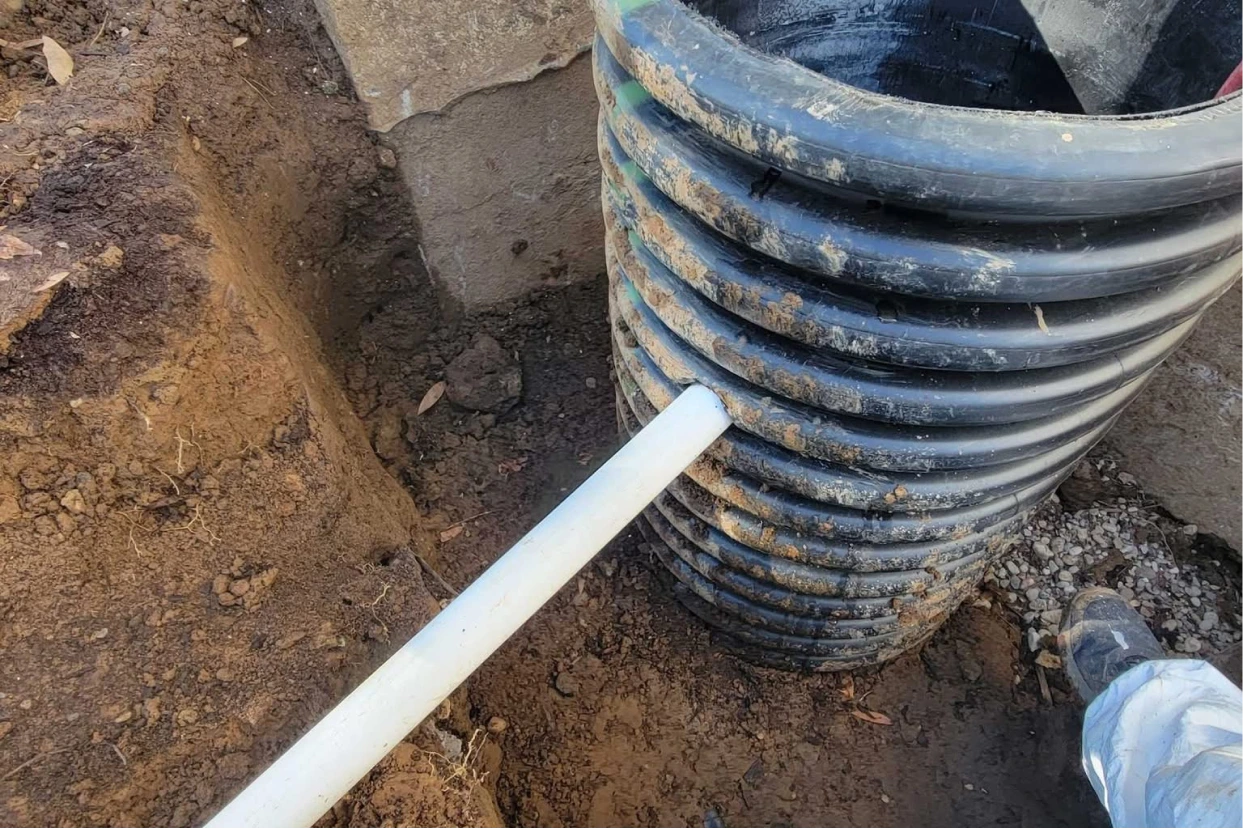
Sump pump systems collect water through interior drainage channels and direct it into a sump basin. When water reaches a certain level, the pump activates and discharges water safely away from the foundation.
Proper discharge routing is critical to prevent water from cycling back toward the home.
Backup Sump Pump Protection
Power outages often occur during severe storms — exactly when sump pumps are needed most.
Backup options include:
- Battery backup sump pumps
- Secondary pump systems
- Alarm systems that alert homeowners to failures
- These backups provide peace of mind during extreme weather.
When to Install or Replace a Sump Pump
Homeowners should consider sump pump installation or replacement if they experience:
- Repeated basement flooding
- Persistent moisture or dampness
- Old or undersized pump systems
- Finished basements needing protection
FAQ – Sump Pumps
Do all basements need a sump pump?: Homes with recurring water issues or high groundwater benefit the most.
How long do sump pumps last?: Most sump pumps last 7–10 years with proper maintenance.
What happens if the power goes out?: Backup sump pump systems keep water moving during outages.
Can a sump pump stop all basement leaks?: Sump pumps manage groundwater but work best as part of a full waterproofing system.